
This post shares the best high fiber foods for women living with PMOS.
Disclaimer I’m not a doctor. I’m just a woman living with PMOS (formerly PCOS) sharing what’s worked for me and other women in the community.This site contains affiliate links. I may earn a small commission if you place an order through my links
There was a time when I felt hungry all the time, even after eating what seemed like a full meal.
My energy crashed every afternoon, and my digestion felt completely unpredictable. It wasn’t my fault, and it isn’t yours either.

Once I started paying attention to fibre instead of only calories, things slowly began to feel more manageable.
This post shares the high-fibre foods I genuinely include in my diet and how I use them to reach my daily fibre goals.
High fibre foods for PMOS
If you have PMOS (formerly known as PCOS), you’ve probably heard people mention fibre over and over.
I honestly didn’t understand why until I learned about insulin resistance, which basically means your body has a harder time processing sugar.
Eating more fibre has helped me feel fuller for longer, keep my energy steadier, and support my digestion. It hasn’t been perfect, but it’s been one of the easiest changes to stick with.
Why eat high fibre foods for PMOS?
Fibre slows down how quickly carbohydrates are digested. That can support steadier blood sugar levels, which is especially important for many women living with PMOS.
It also feeds the good bacteria in your gut. A healthier gut may support hormone balance, digestion, and even inflammation over time.
The biggest lesson I learned was this: don’t focus on fibre alone.
Protein and fibre work better together
I always try to pair fibre with protein because they keep me satisfied much longer than either one alone.
One goal that works well for me is aiming for around 30g of protein at each meal. That doesn’t have to be perfect every day.
I also aim for at least 30g of fibre daily. Some days I get more, some days less, and that’s okay.
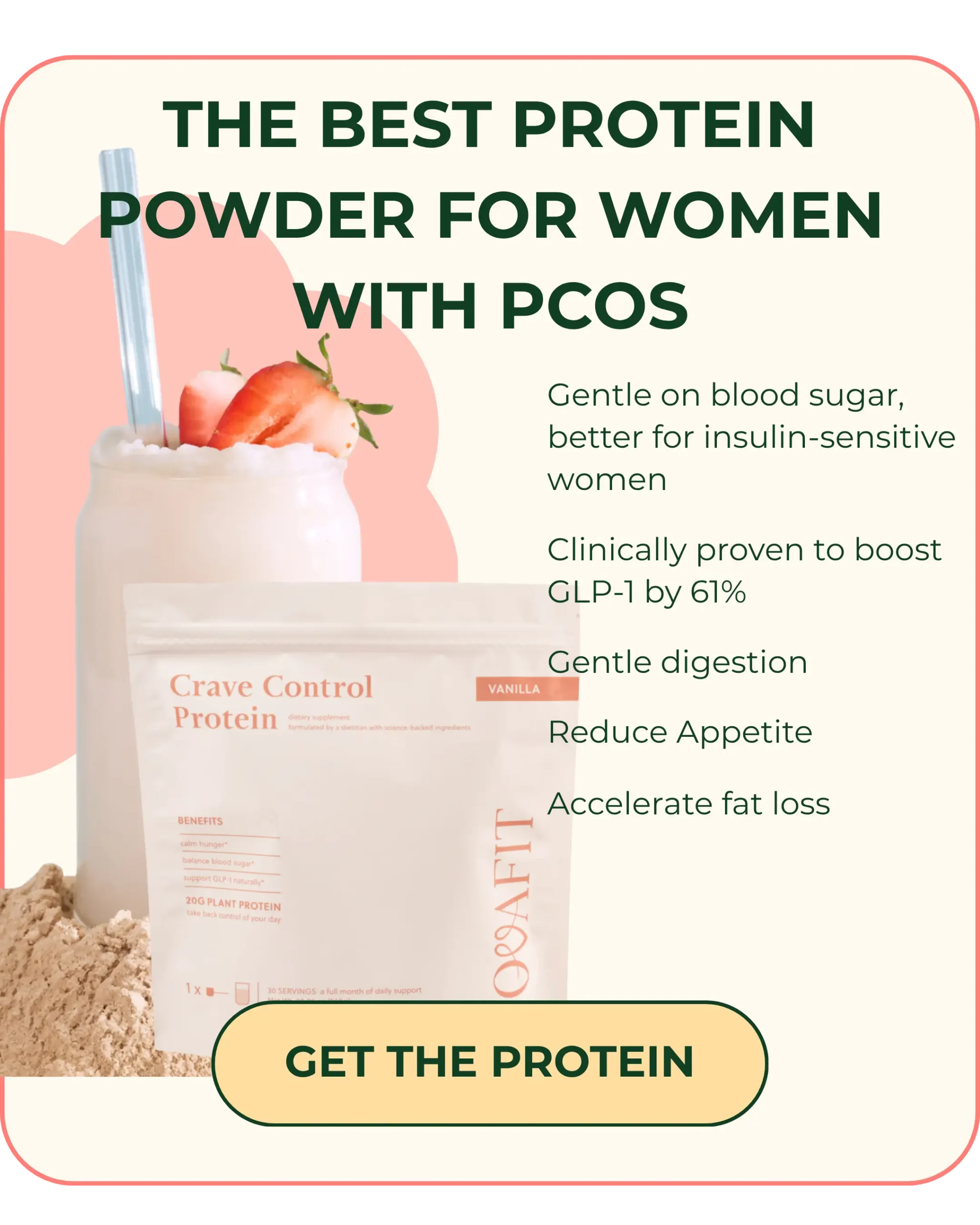
One product that makes reaching my protein goal much easier is Ovafit Crave Control Protein. I usually blend it into a smoothie with berries and chia seeds for an easy breakfast that includes both protein and fibre.
10 High Fibre Foods to Add to your diet
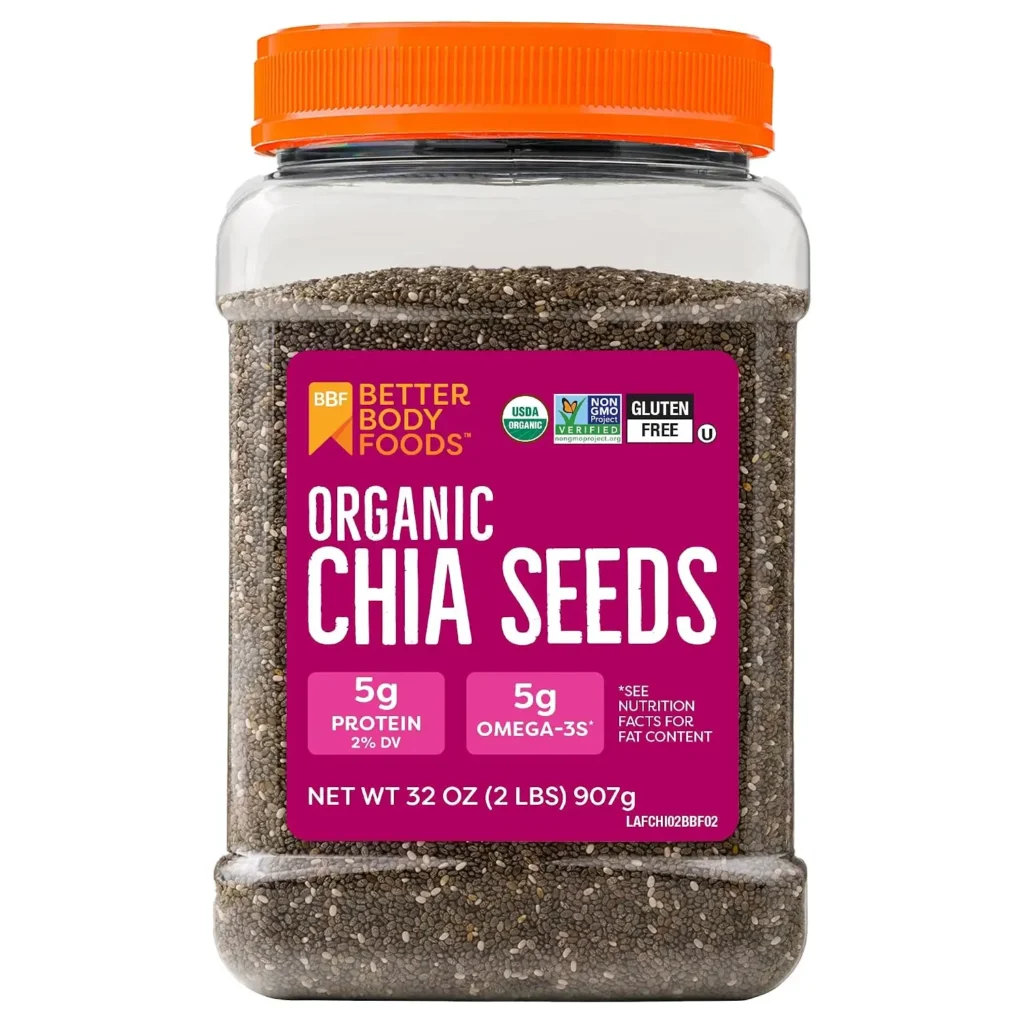
Chia Seeds
Just two tablespoons contain about 10g of fibre.
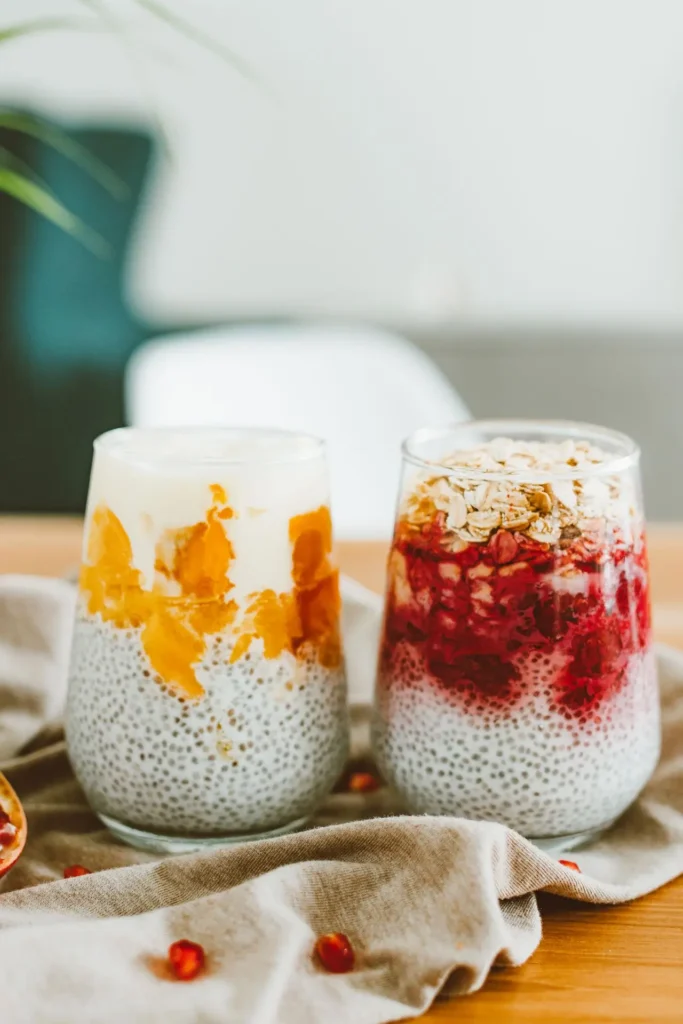
I sprinkle them into yoghurt, oats, or smoothies almost every day. They’re tiny but surprisingly filling.
Why it helps:
Three servings throughout the day would provide around 30g of fibre, although I usually combine them with other foods instead.
Raspberries
One cup provides roughly 8g of fibre.
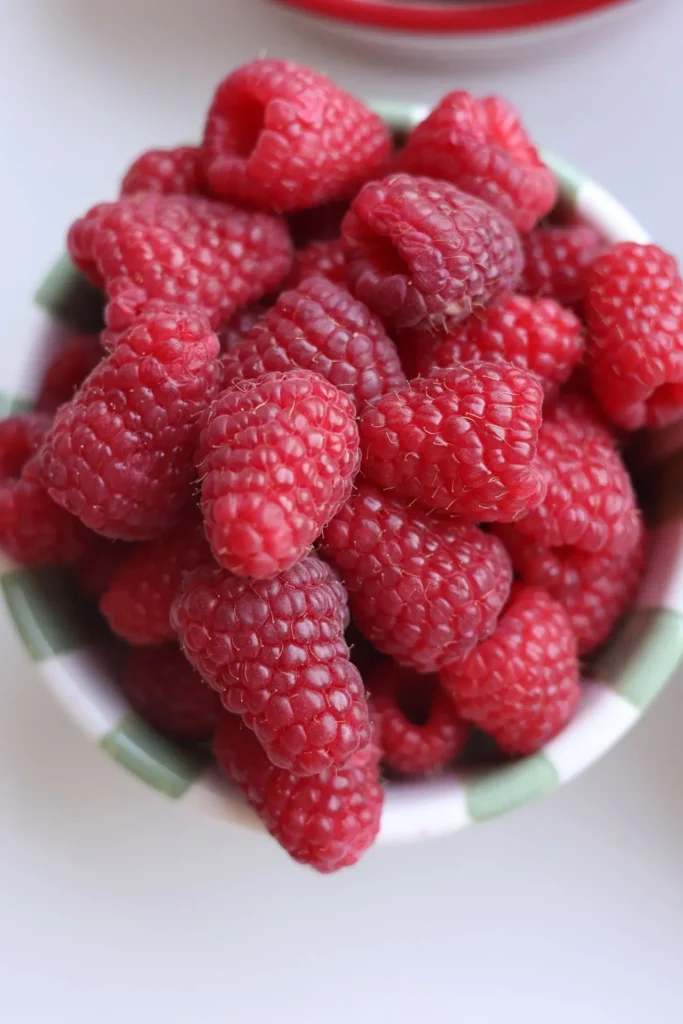
They’re naturally sweet without causing the same energy crash I used to get from pastries.
Why it helps:
About 4 cups would reach 30g of fibre, but one cup alongside other foods works perfectly.
Lentils
One cooked cup contains around 15g of fibre.
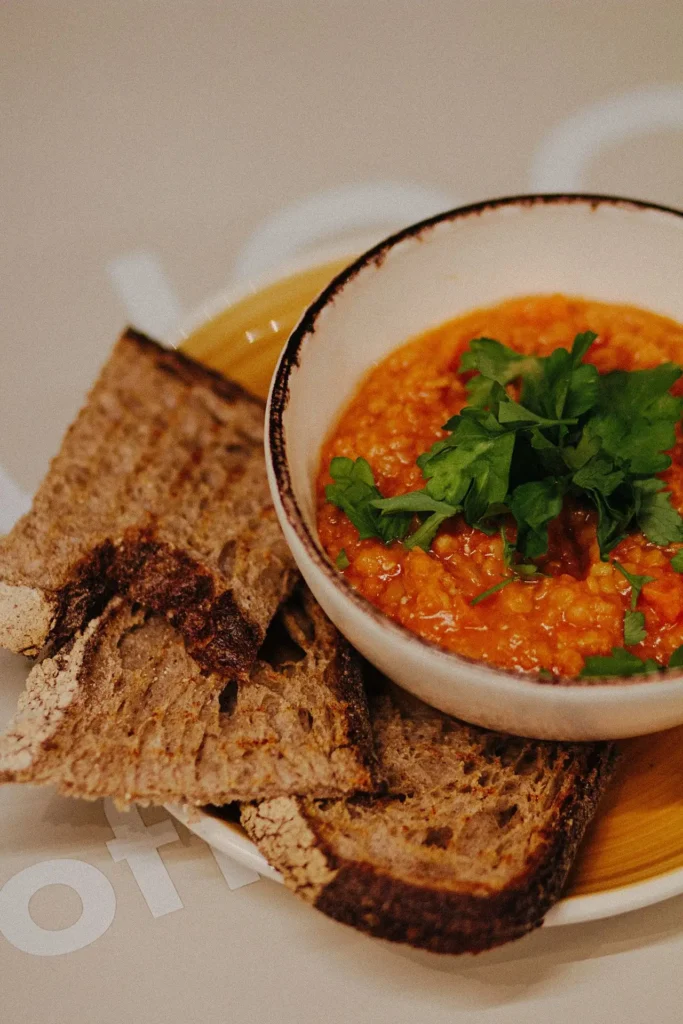
They’re also packed with plant protein, making them incredibly satisfying.
Just 2 cups would provide about 30g of fibre.
Black Beans
One cooked cup contains about 15g of fibre.
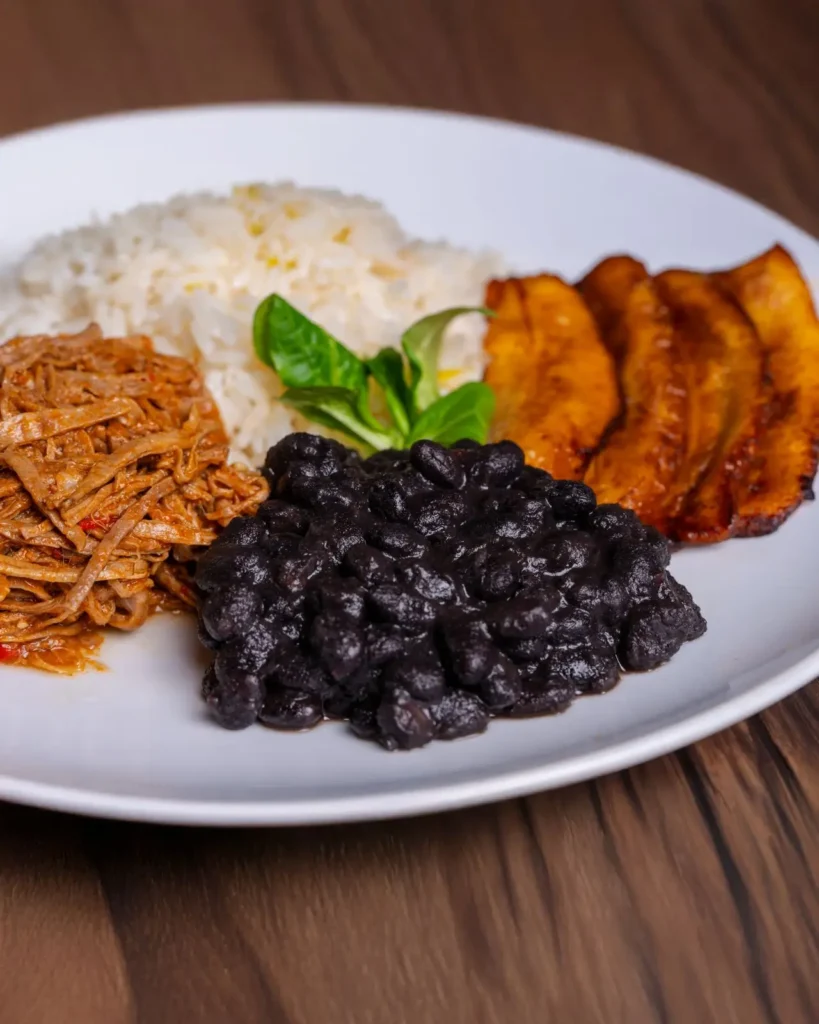
I love adding them to salads, tacos, and grain bowls.
Around 2 cups reaches the daily fibre target.
Pears
One medium pear has roughly 6g of fibre.
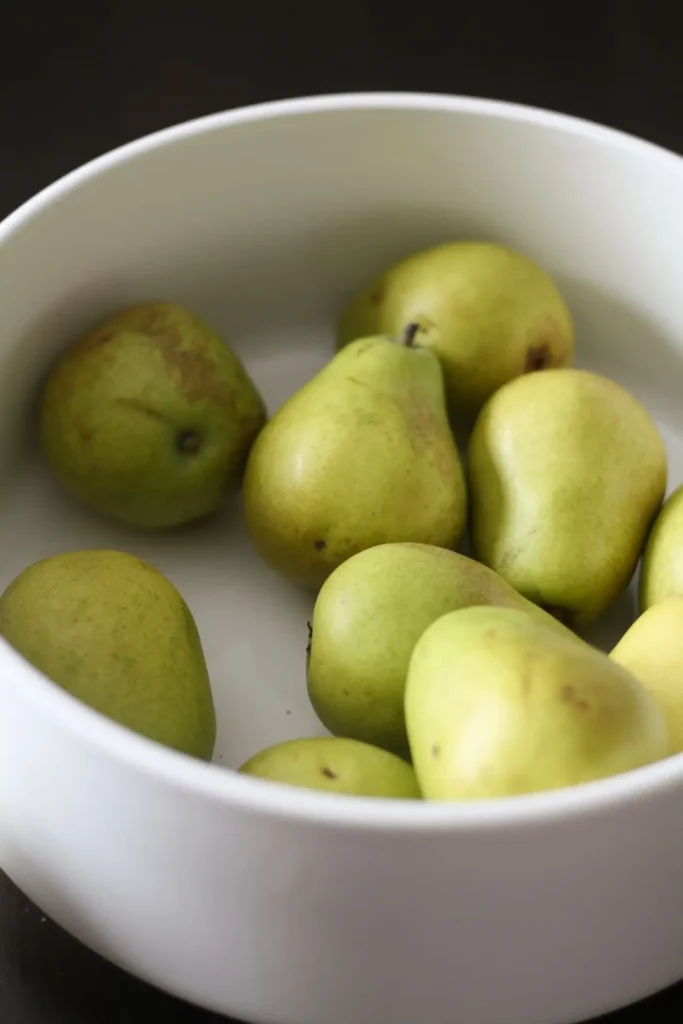
It’s one of my favourite afternoon snacks because it’s easy to grab.
Around 5 pears would provide about 30g of fibre.
Avocados
One whole avocado contains around 10g of fibre.
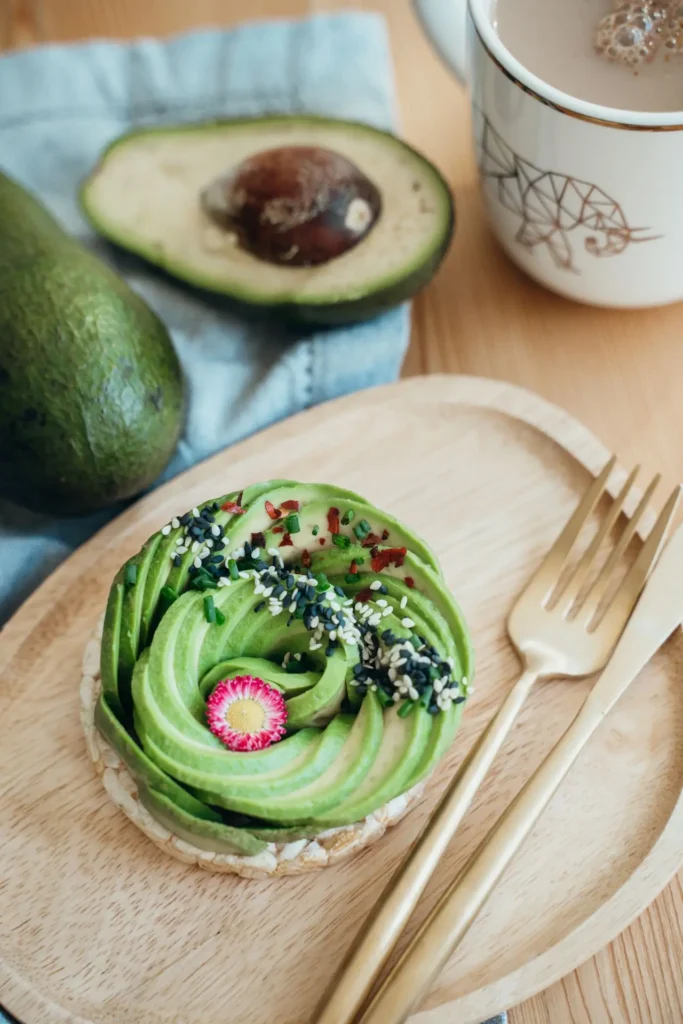
Healthy fats plus fibre keep me feeling satisfied for hours.
Three avocados would reach 30g, but I usually enjoy half with other fibre-rich foods.
Broccoli
One cooked cup provides around 5g of fibre.
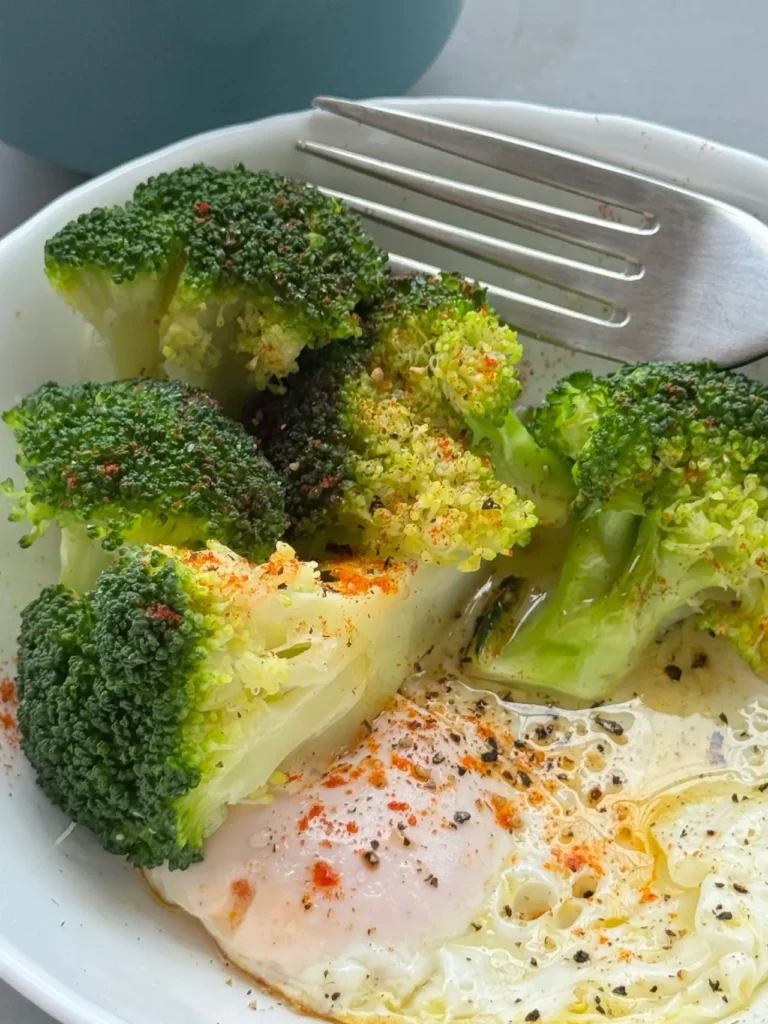
It’s one vegetable I actually don’t get tired of eating.
Around 6 cups equals roughly 30g of fibre.
Oats
One cup of cooked oats contains about 4g of fibre.
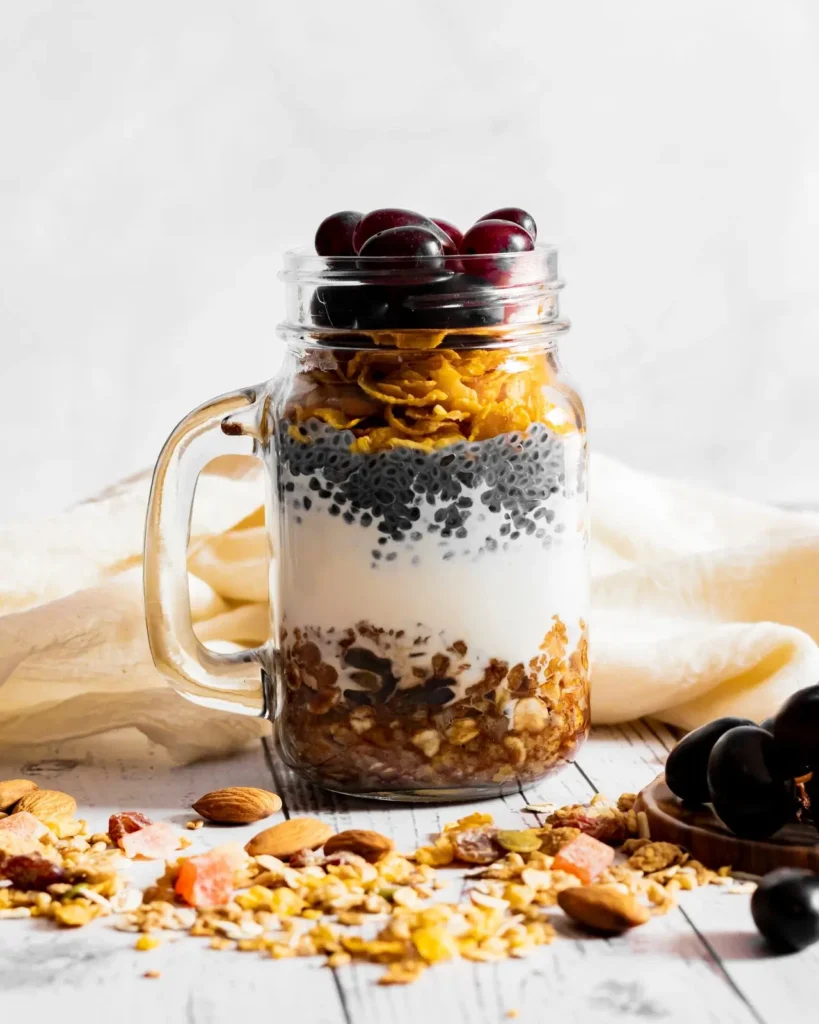
Adding chia seeds and berries instantly makes breakfast more hormone-friendly.
Around 8 cups would reach 30g, but mixing foods is much easier.
Apples
One medium apple contains about 4g of fibre.
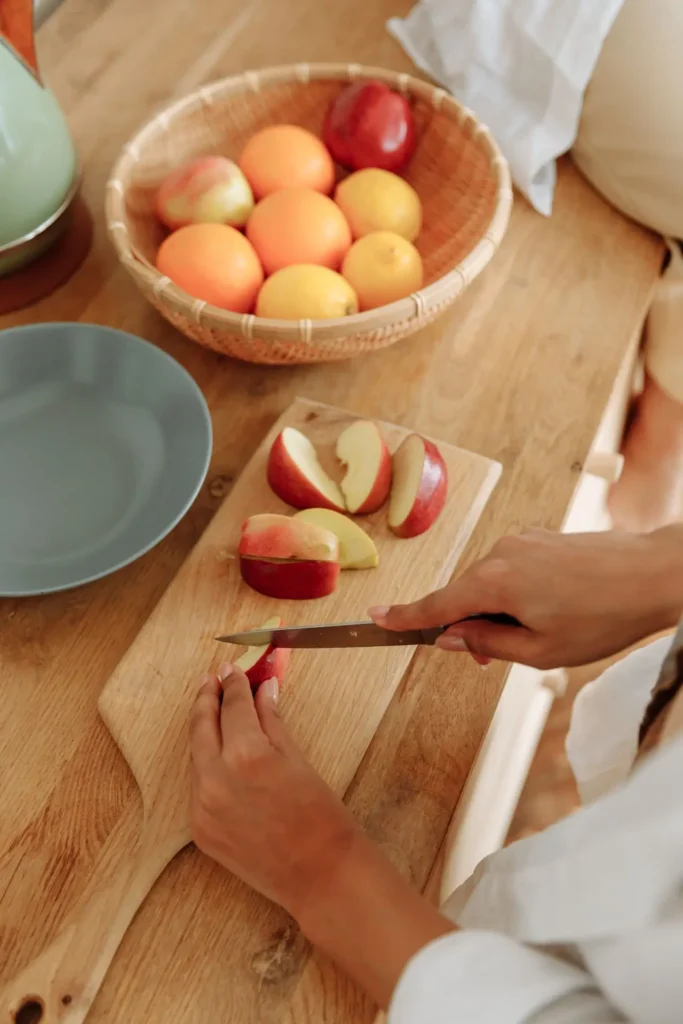
I always leave the skin on because that’s where much of the fibre lives.
Around 8 apples equals about 30g of fibre.
Brussels Sprouts
One cooked cup provides roughly 6g of fibre.
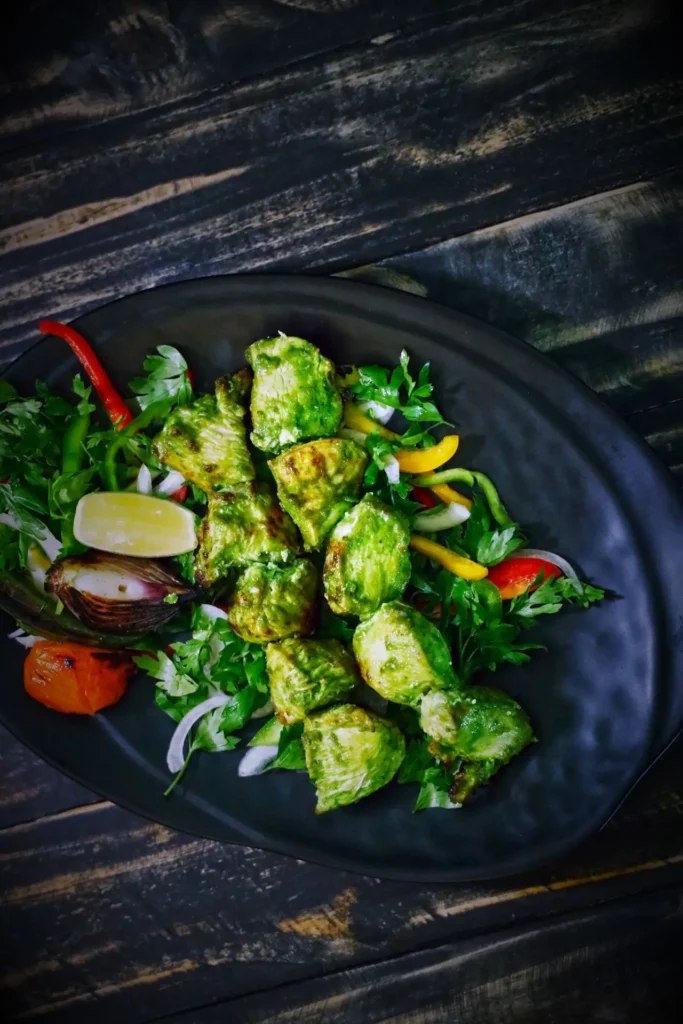
Roasting them makes them much sweeter than boiling.
Around 5 cups provides approximately 30g of fibre.
Learning to eat more fibre completely changed how I think about food. I stopped chasing quick fixes and started building meals that actually kept me satisfied.
Pairing fibre with around 30g of protein has made my meals feel much more balanced.

Progress hasn’t been perfect, but it has felt sustainable, and that’s what matters most.
This post shared the best high-fiber foods for women living with PMOS.
Posts you may also like
- The Best Protein Powder for Women With PMOS
- My 4-Step PMOS Weight Loss System
- The Best Multivitamin for Women With PMOS
Which high-fibre food is already a staple in your kitchen? Let me know in the comments, I read every single one.










Leave a Reply