
This post shares the best fermented foods for women living with PCOS.
Disclaimer I’m not a doctor. I’m just a woman living with PMOS (formerly PCOS) sharing what’s worked for me and other women in the community.This site contains affiliate links. I may earn a small commission if you place an order through my links
There was a time when my stomach felt bloated after almost every meal.
Looking back, I realize my gut probably needed just as much attention as my hormones.
Once I slowly added fermented foods into my routine, I noticed small but meaningful changes.
This post shares the fermented foods that have been the easiest and most helpful additions for me.
Why Eat Fermented Foods?
Fermented foods contain beneficial bacteria called probiotics.
These friendly bacteria help support your gut microbiome, which is simply the community of microbes living in your digestive system.
A healthier gut may support better digestion, steadier energy, and even hormone balance.
I don’t think fermented foods are a magic answer, but they’ve become one of those simple habits that feels manageable.
How Fermented Foods Help Manage PCOS
Many women with PCOS also deal with inflammation, blood sugar swings, digestive issues, or insulin resistance.
Insulin resistance is basically when your body has a harder time processing sugar.
A healthy gut may help support better blood sugar balance and reduce inflammation over time.
I also found that eating fermented foods regularly made me feel less sluggish after meals.
They’re not a replacement for other healthy habits, but they’re one piece of the puzzle that has genuinely worked for me.
Top 10 Fermented Foods to Try
Plain Greek Yogurt
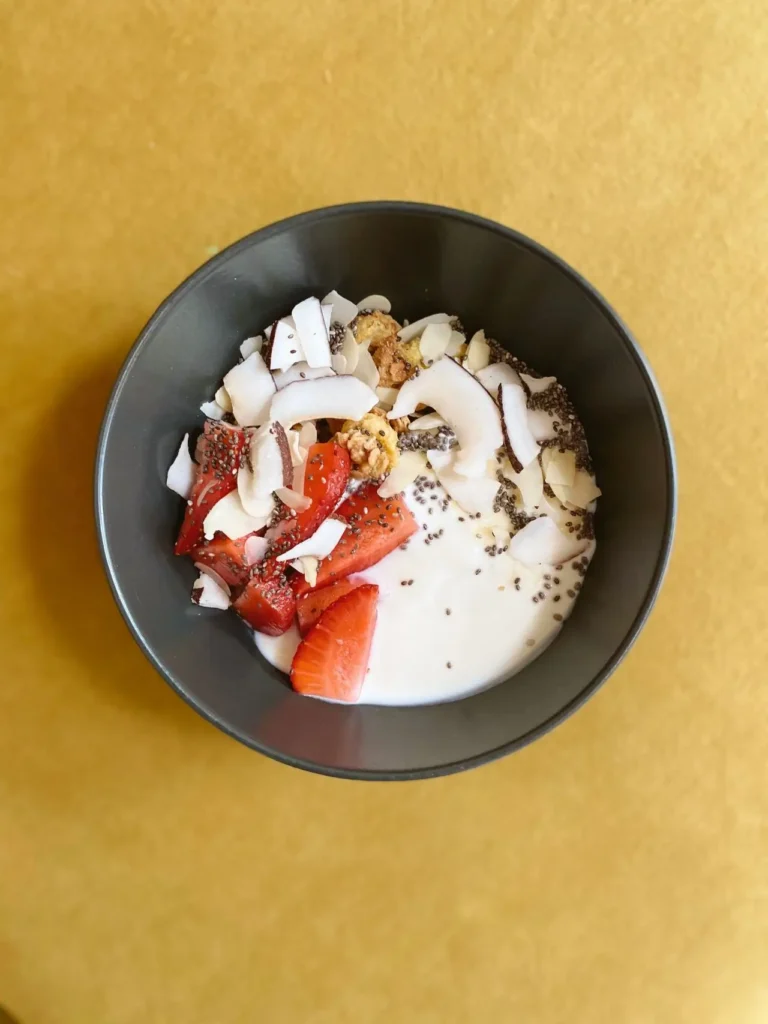
Plain Greek yogurt gives you probiotics and plenty of protein.
The protein also helps support steadier blood sugar throughout the day.
I eat it with berries and chia seeds several mornings each week.

Kefir
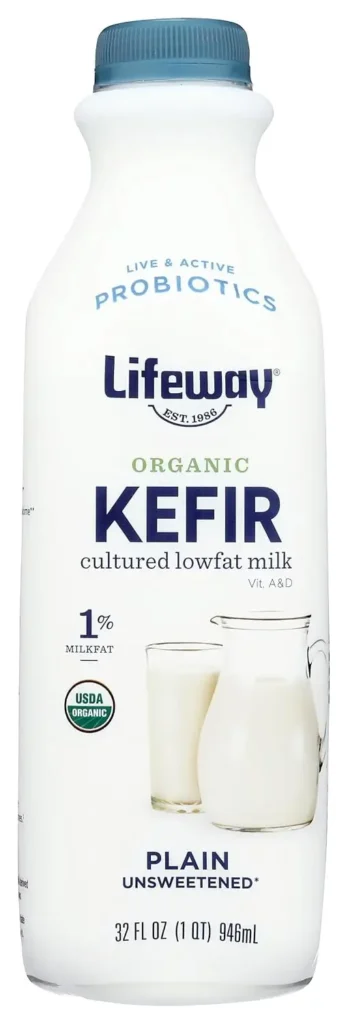
Kefir is a fermented milk drink packed with different probiotic strains.
I find it easier to digest than regular milk.
Start with a small serving if you’re new to it.
Sauerkraut
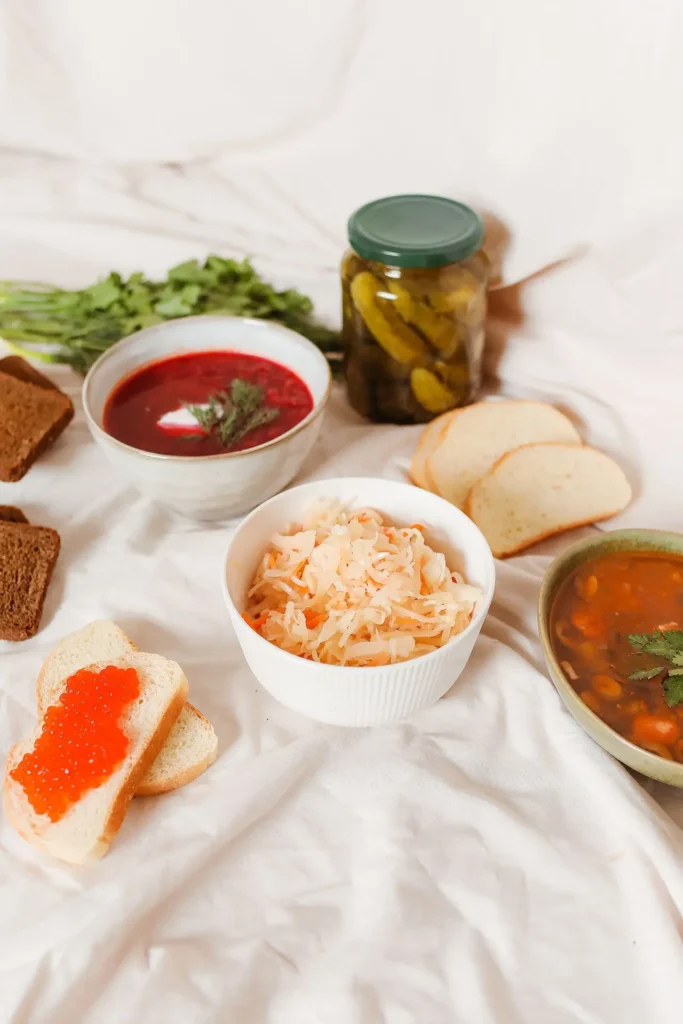
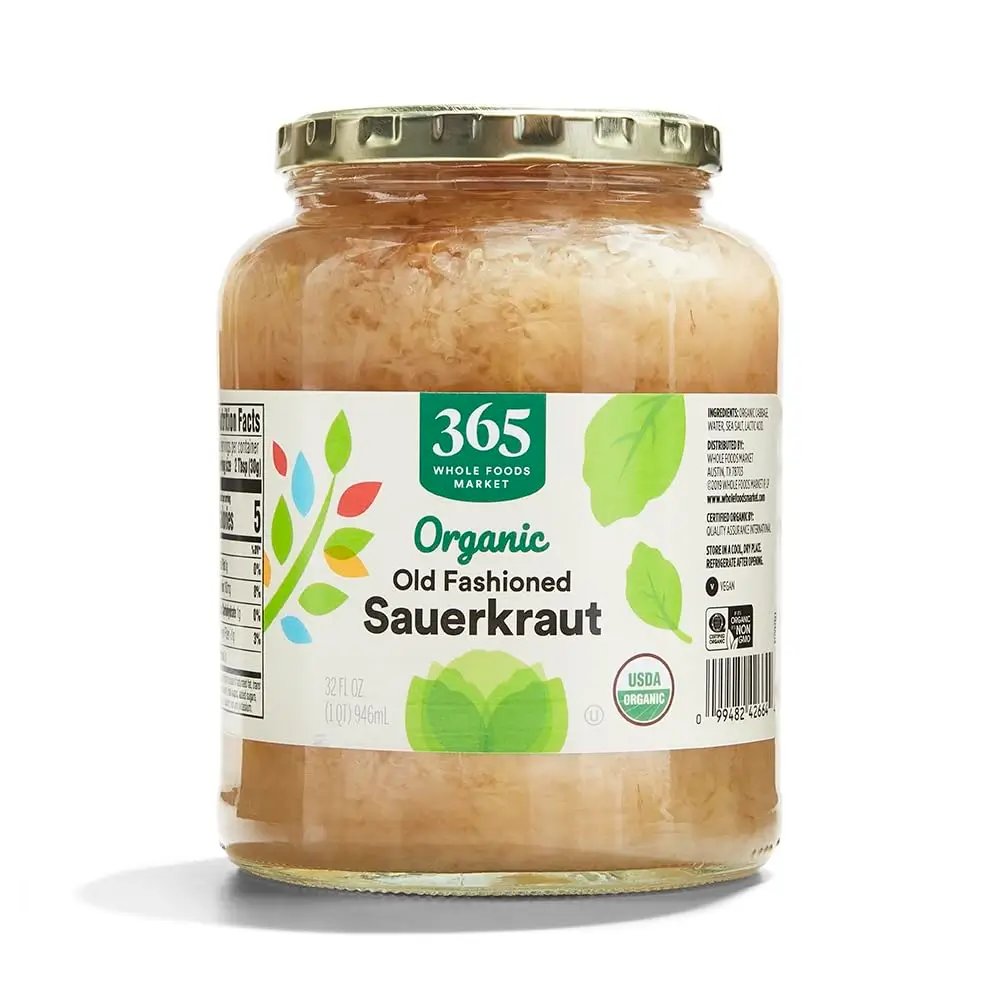
Raw sauerkraut adds beneficial bacteria and fibre to meals.
I love adding a spoonful beside eggs or grilled chicken.
Choose refrigerated versions with live cultures whenever possible.
Kimchi
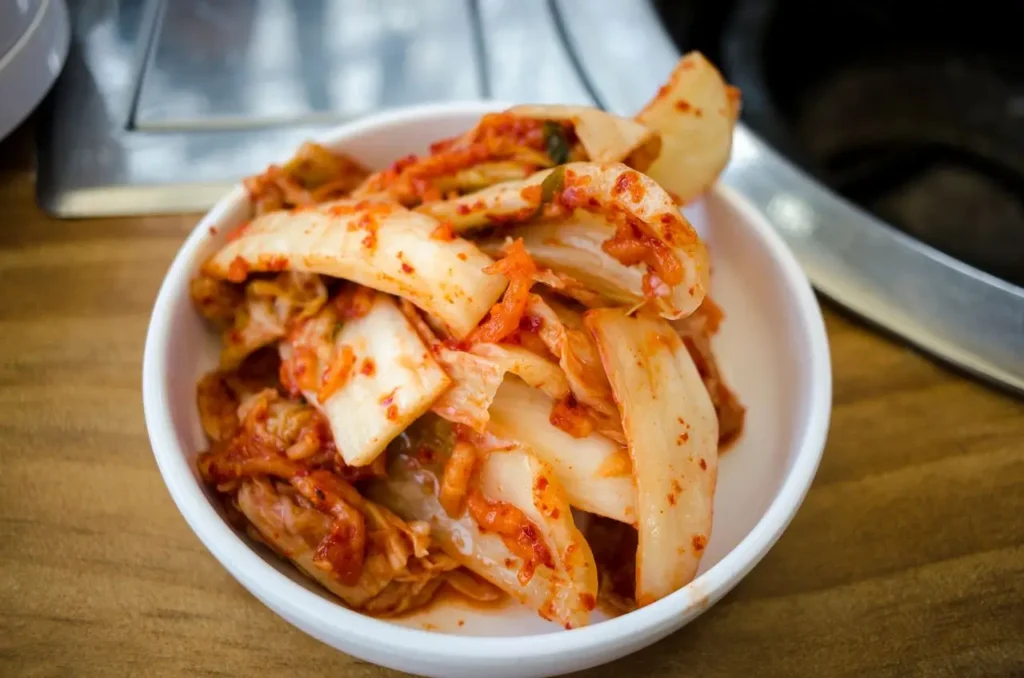
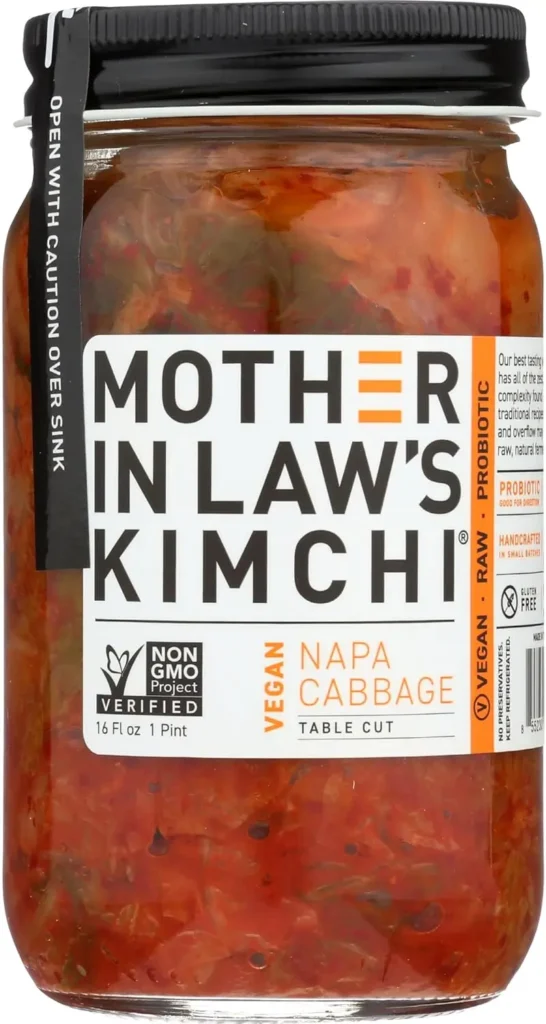
Kimchi is spicy fermented cabbage filled with flavour.
It makes healthy meals feel much less boring.
The vegetables also provide fibre for gut health.
Miso
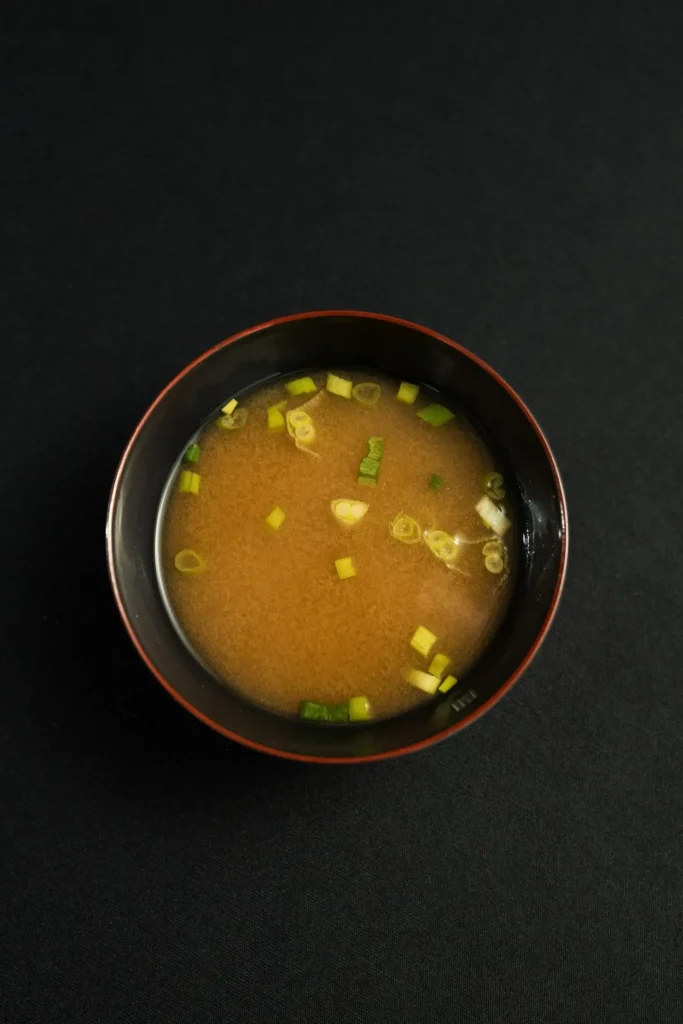
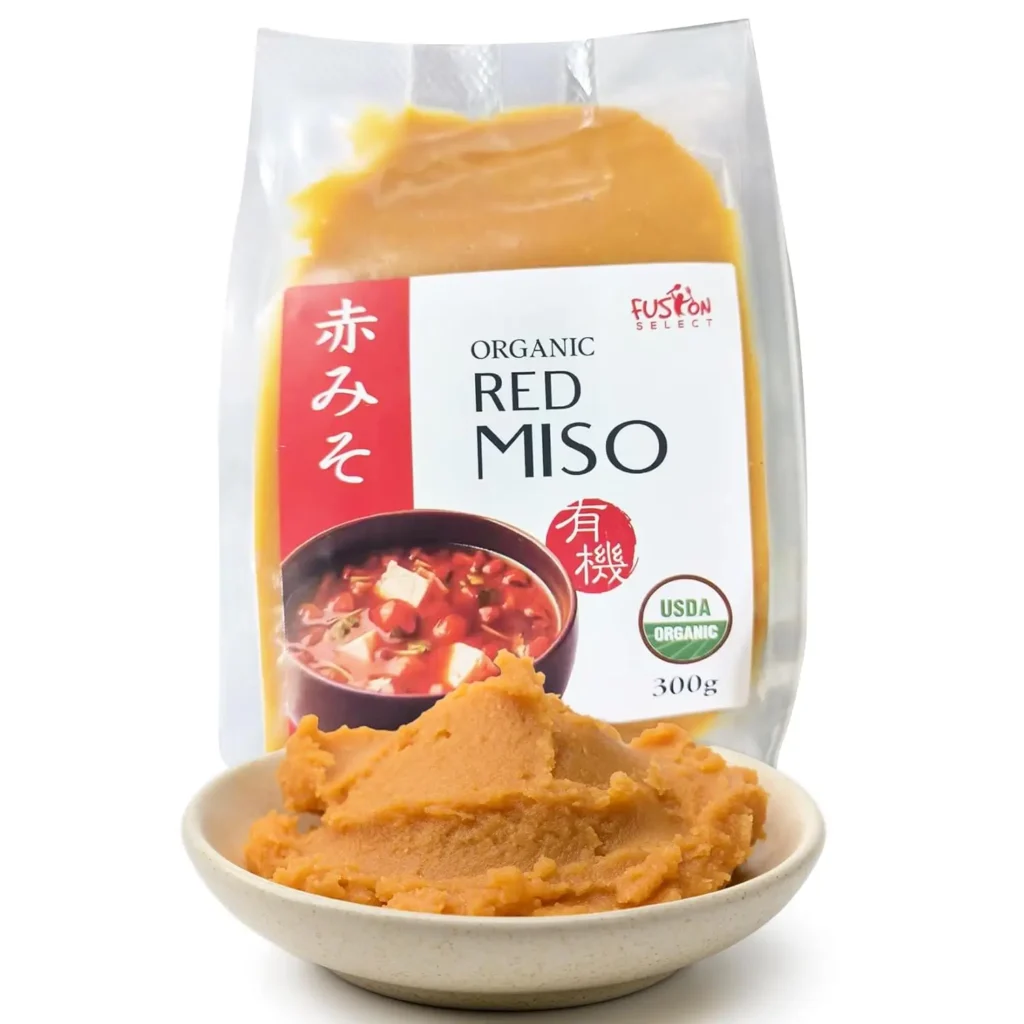
Miso is a fermented soybean paste used in soups and sauces.
A little goes a surprisingly long way.
I enjoy adding it to simple vegetable soup during colder months.
Tempeh
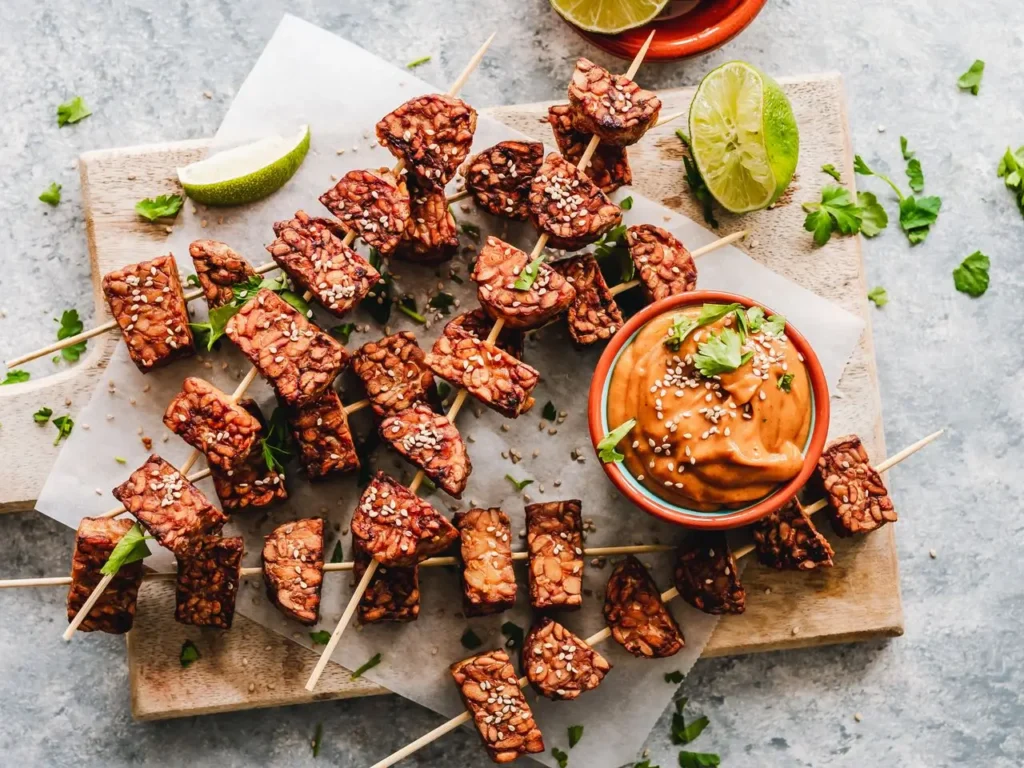
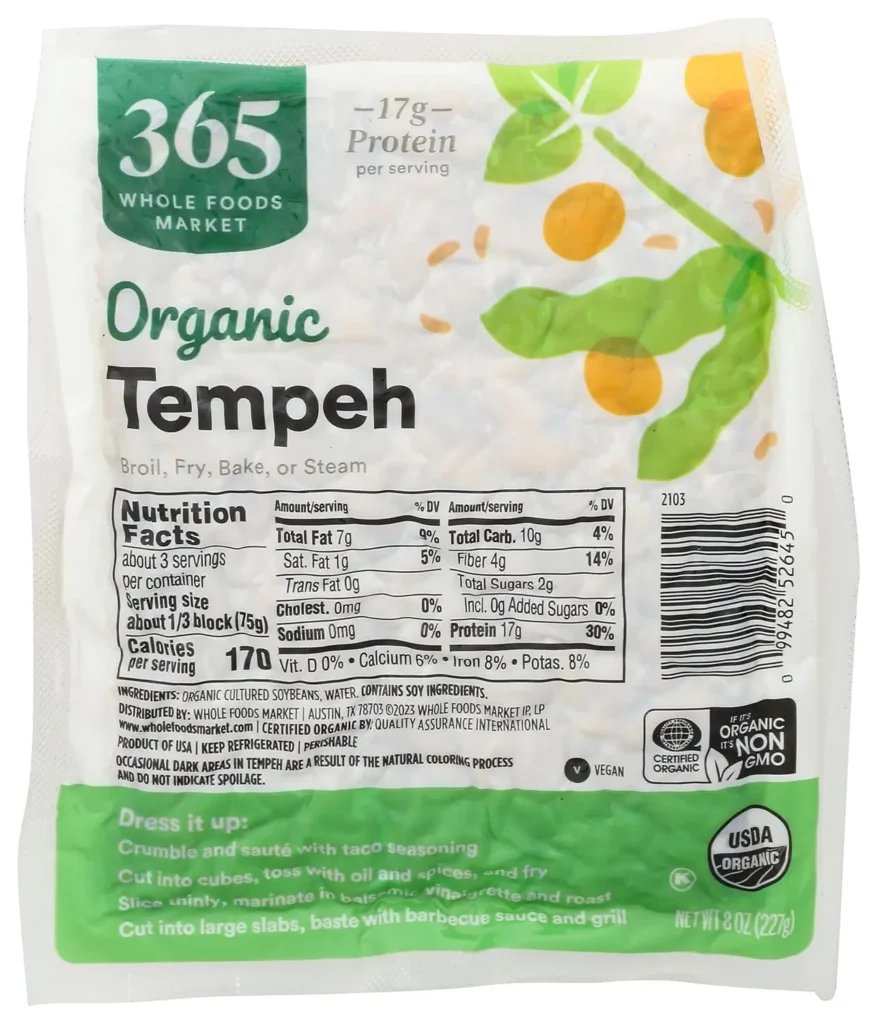
Tempeh is fermented soy with lots of plant protein.
It keeps me full much longer than many vegetarian options.
Protein supports steadier energy throughout the day.
Kombucha
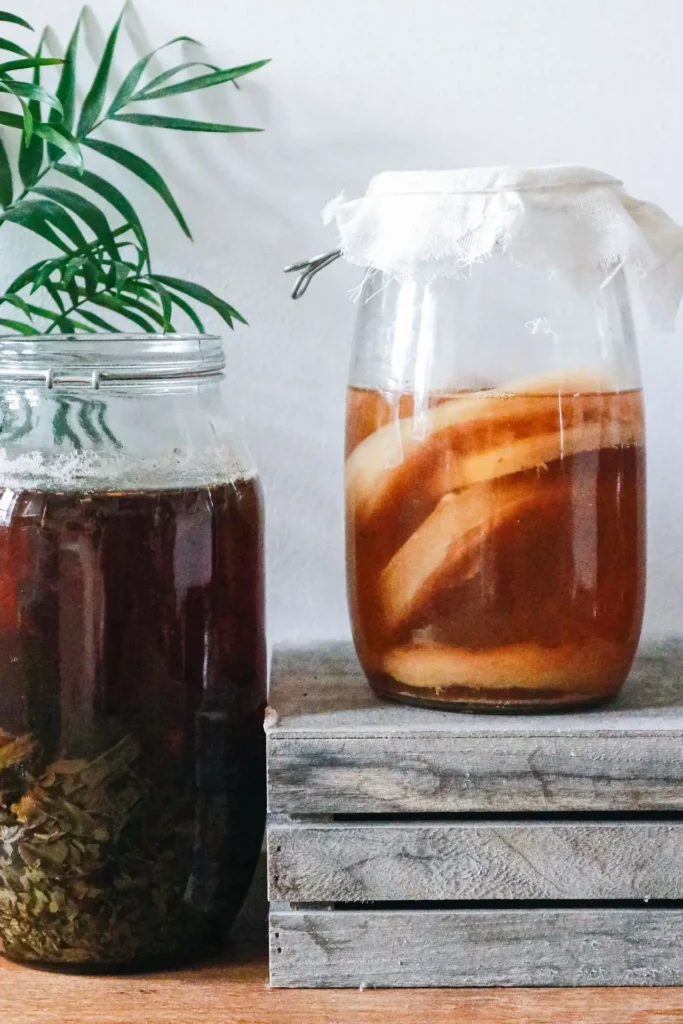
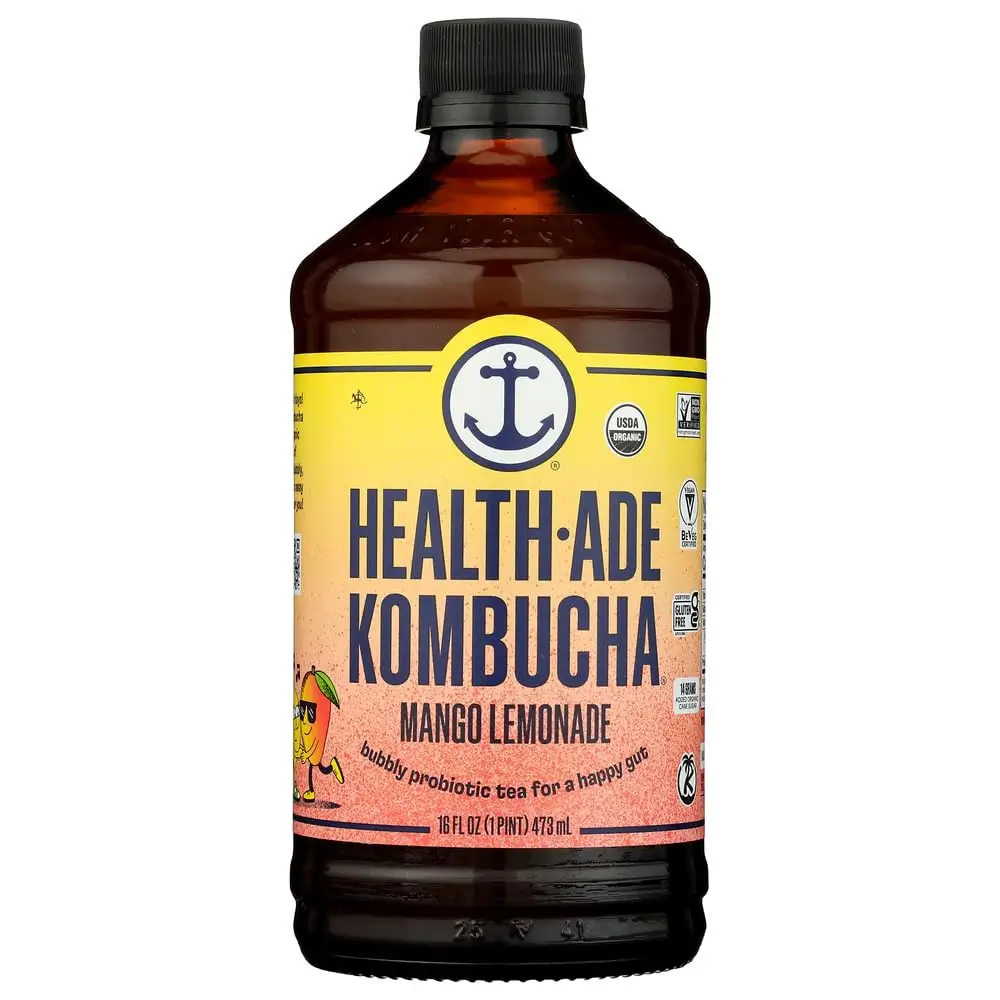
Kombucha is a fizzy fermented tea with probiotics.
It feels like a fun alternative when I want something besides water.
Some brands contain lots of added sugar, so check the label.
Cottage Cheese with Live Cultures
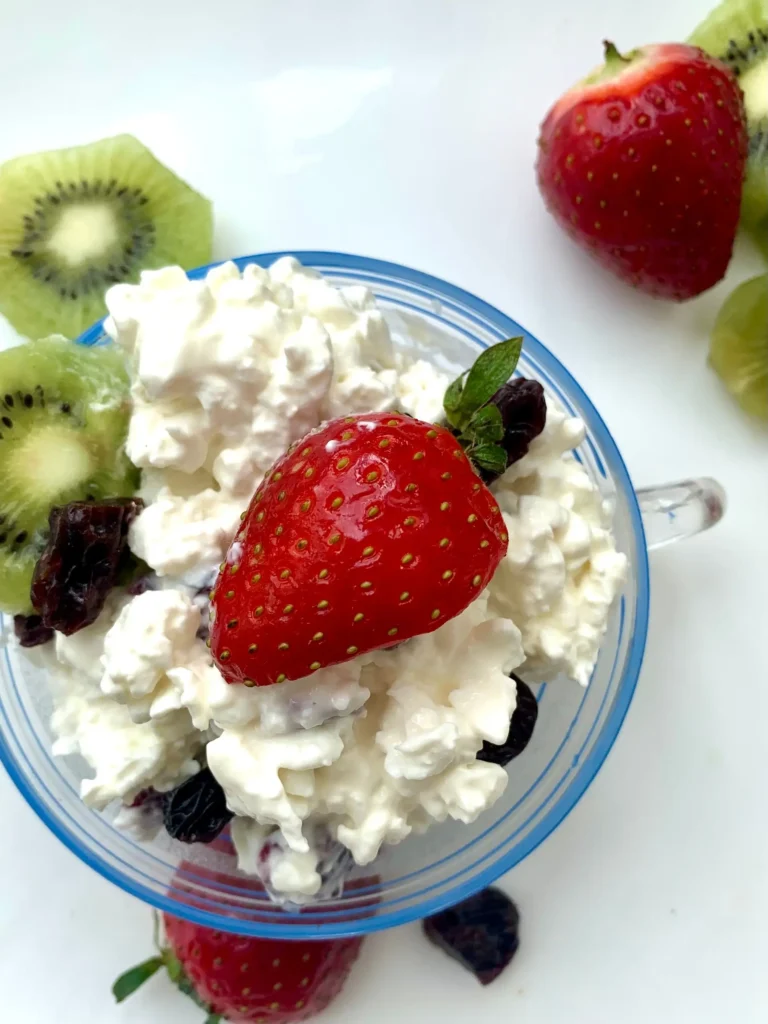
Some cottage cheese brands contain live cultures.
It’s another easy protein source that works well as a snack.
I usually pair it with cucumber or fresh berries.
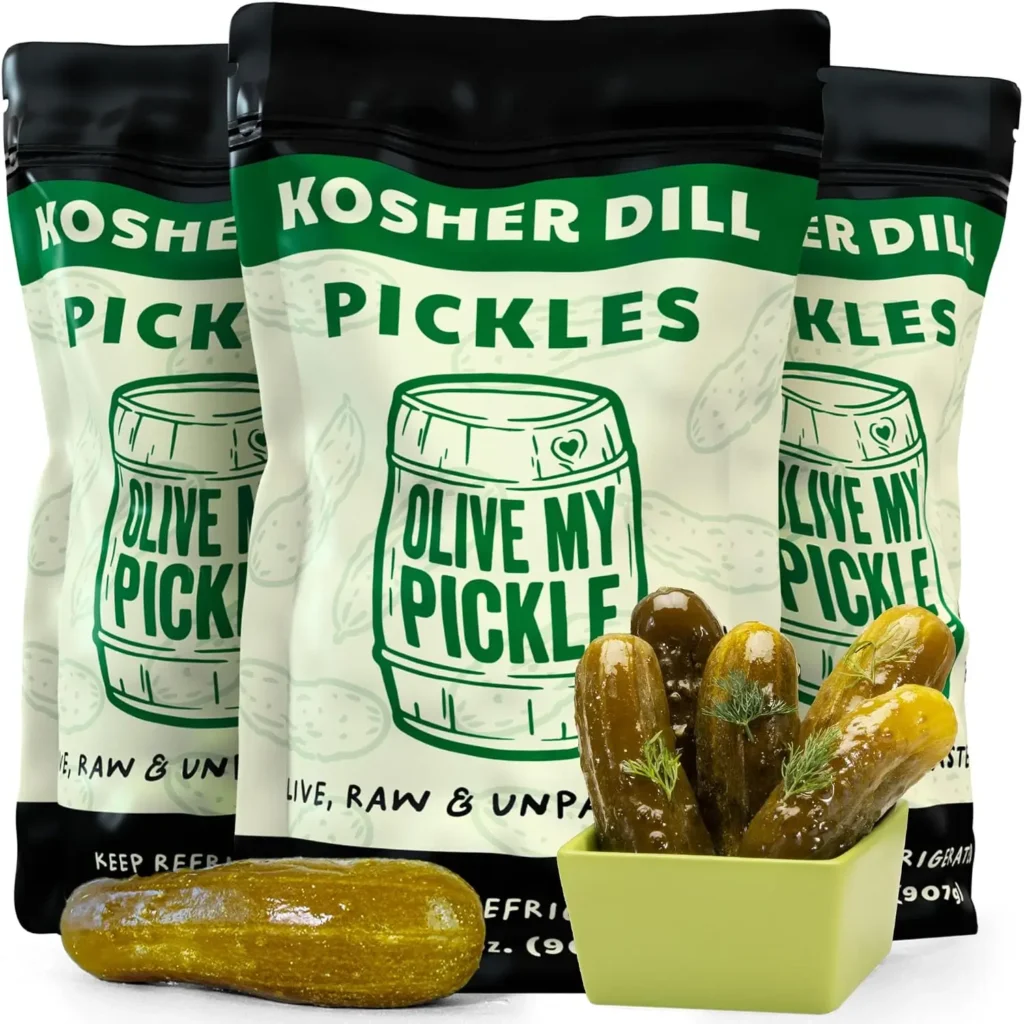
Pickles Naturally Fermented in Brine
Not every pickle is fermented.
Look for naturally fermented pickles instead of vinegar-only versions.
They add crunch without much effort.
Fermented Beetroot
Fermented beetroot has a tangy flavour and colourful nutrients.
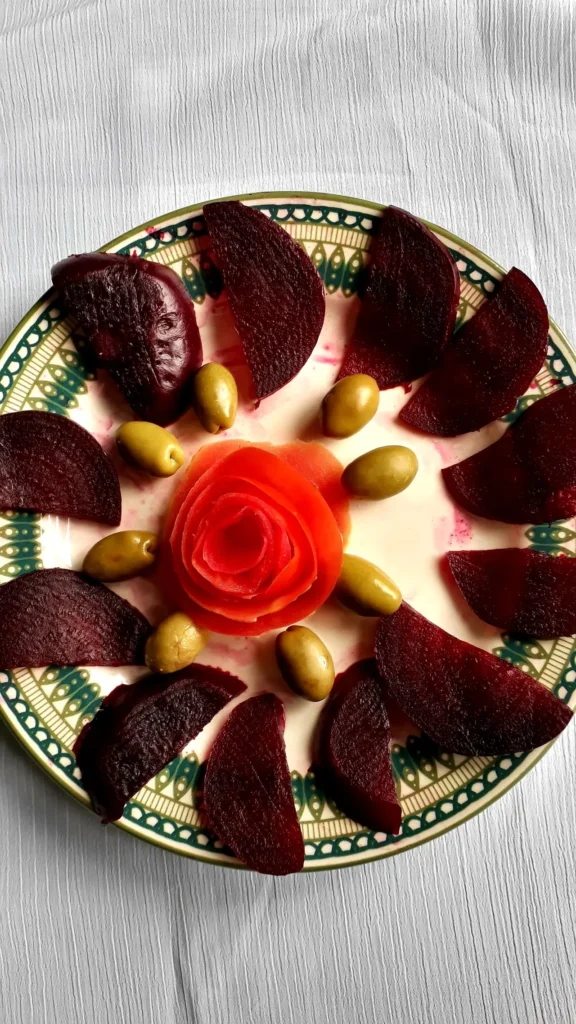
I add small amounts to salads for variety.
You don’t need huge portions to enjoy the benefits.
Top 3 Resources for People Getting Into Fermentation
YouTube Channel: LifeByMikeG
This channel makes fermentation feel approachable instead of intimidating.
The step-by-step videos helped me feel confident enough to try simple recipes.
Book: The Art of Fermentation by Sandor Ellix Katz
If you enjoy learning the “why” behind fermentation, this book is an excellent resource.
You can read it slowly and come back whenever you need inspiration.
Starter Fermentation Jar Kit
A simple fermentation jar kit makes homemade vegetables much easier.
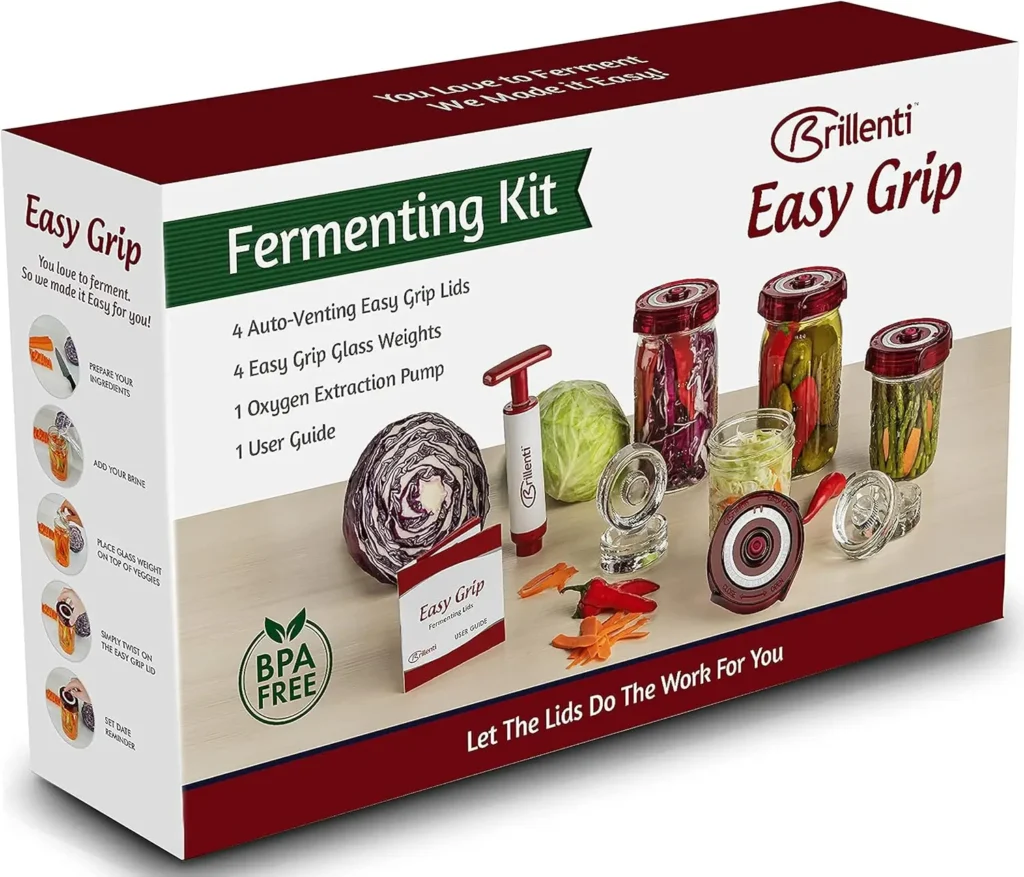
I recommend starting with cabbage because it’s one of the most beginner-friendly projects.
Adding fermented foods didn’t completely change my PCOS overnight.
What it did was help me build a routine that felt nourishing and realistic.
If you’re curious about improving your gut health, fermented foods are a gentle place to start without making everything feel overwhelming.
This post shared the best fermented foods for women living with PCOS.
Posts you may also like
- Best High-Fiber Foods for PCOS
- Chickpeas and PCOS Benefits
- The Best Protein Powder for Women with PCOS
Which fermented food are you going to try first? Let me know in the comments









Leave a Reply